
Reviews
Tile Value Combiner 8000 takes the classic number merging concept and polishes it to a fine sheen. The grid randomization ensures no two games play alike, which keeps the experience engaging over many sessions. The absence of an undo button forces genuine strategic thinking, as each merge permanently alters the board. Visual clarity and responsive touch controls make it accessible for quick breaks or longer play. While the core loop is simple, the depth emerges from planning several moves ahead. It is a solid choice for anyone who enjoys mental puzzles without unnecessary complexity.
About this game
Core Game Loop
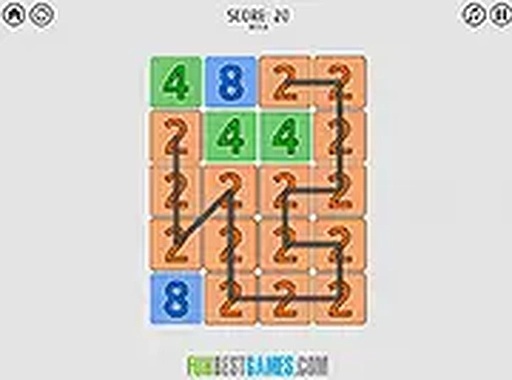
Players start with a grid containing small numbered tiles, typically 2 or 4. The objective is to link three or more identical numbers in a row, column, or diagonal. When linked, those tiles merge into a single tile with double the value. For instance, three 2s become a 4, and three 4s become an 8. The process repeats until the player creates a tile worth 8000. The board updates after each merge, providing immediate feedback on how the grid changes.
Strategic Depth
Although the rules are straightforward, success depends on careful planning. Each merge alters the board layout, potentially creating new opportunities or blocking future moves. Players must scan the entire grid before acting, considering how a merge might affect adjacent tiles. Diagonal connections add another layer of choice, as they can link tiles that would otherwise remain separate. The game ends when no further merges are possible, so every decision carries weight.
Visual Design and Accessibility
The interface uses a clean, uncluttered style. Numbers are displayed in a clear font against a neutral background, making it easy to track progress. Touch controls are responsive, allowing quick taps to select and link tiles. The game loads instantly in a browser without requiring any downloads. This simplicity makes it suitable for players of all ages, from children to adults.
Replay Value
Each game starts with a randomly generated grid layout, ensuring that no two sessions are identical. This procedural generation encourages repeated play, as players must adapt their strategy to each new arrangement. The short session length makes it ideal for quick breaks, but the increasing challenge can also hold attention for extended periods. Puzzle enthusiasts will find plenty of opportunities to refine their approach.



Comments
Sign in to leave a review
No account? Create one
No comments yet.